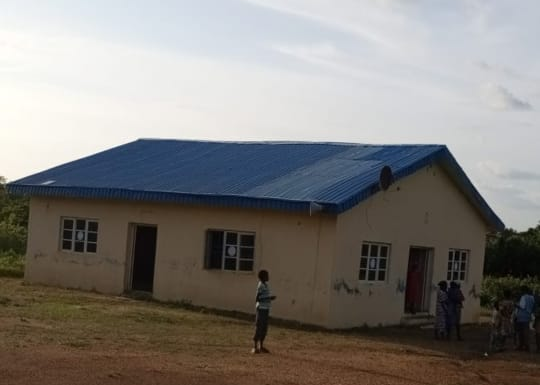
Takete-Ide Amuro

CULTURE & HERITAGE

Faith & Religious Heritage

Faith has formed an important part of Takete-Ide’s cultural and community life across generations. From indigenous religious traditions and beliefs to the arrival and growth of Christianity, the community’s religious heritage forms an important part of its wider historical journey.

This archive preserves historical accounts, places of worship, photographs and community records relating to the religious life of Takete-Ide.

Indigenous Religious Heritage of Takete-Ide

Long before the introduction of world religions, the people of Takete-Ide possessed an established, coherent indigenous religious worldview. At the centre of this belief system was faith in a Supreme Being, known in Yoruba religious cosmology as Orisa Oke, Olu Orun (King of Heaven), and Obarisa (the Sovereign over all spiritual manifestations).

Community religious practice was an integral aspect of everyday existence and communal solidarity. It encompassed structured forms of prayer, libation, sacrifice, divination, and consultation with recognized spiritual intermediaries, including traditional priests, seers, and diviners who assisted the community in seeking peace, healing, fertility, and protection from adversity.

Traditional Groupings

Agado & Oliwo Traditions

Takete-Ide historical records preserve two principal traditional religious groupings in ancient Ilu-Oke: Agado and Oliwo. Each group observed three-day annual ceremonies and worship cycles (associated with Epa, Oro, and Egungun festivities), timed with the onset of the rains between May and June, culminating in communal consultations and declarations of blessing.

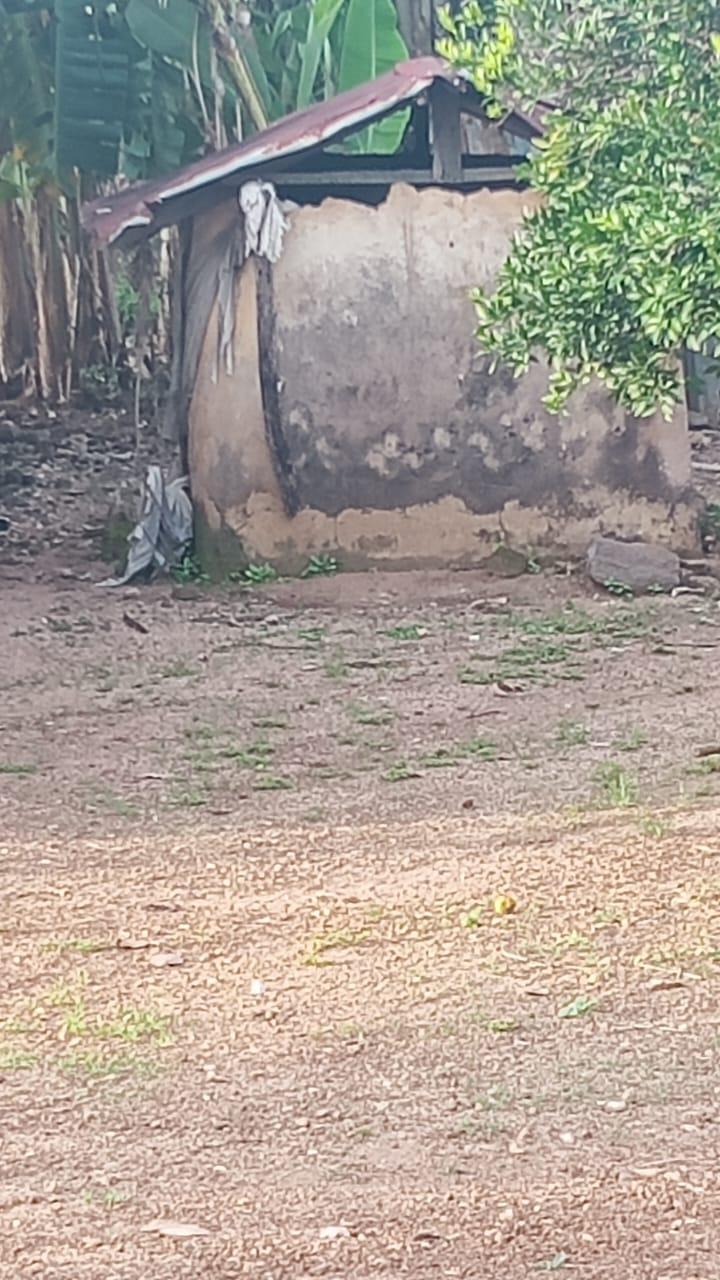
Otegun traditional Orisa deity house in Takete-Ide
Traditional Deity House

Otegun – Orisa Deity House

Otegun, a traditional Orisa deity house in Takete-Ide. Living traditions celebrate diverse masquerades including Akorowo (the whistling opening herald), Ate (feathered and glass-laced), Origi, Apa Rege Rege, and Otutumoba, alongside veneration of spiritual guardians Otegun and Orisa, and cultural societies such as Alase, Ojingindo, Saaji, Erembe, and Iro.

Historical Terminology Note: Early European missionary writings often used older labels such as “pagan” or “idol worshipper”. Modern community heritage scholarship recognizes these terms as reflective of 19th- and early 20th-century missionary perspectives rather than an accurate description of the indigenous spiritual worldview, in which physical representations served as intermediaries directed toward the Supreme Creator.

Egungun Festival — Living Cultural & Masquerade Heritage

Authentic community video recording documenting Egungun masquerade celebrations and cultural gathering in Takete-Ide.

Video Archive Record: Community recording of Egungun Festival masquerade processions, drumming and community gathering in Takete-Ide. Masquerade traditions celebrate ancestral lineage, communal solidarity, and seasonal blessings.

Christianity Comes to Yagba

To understand how Christianity reached Takete-Ide, it is essential to examine the regional work of the Sudan Interior Mission (SIM) across the wider Yagba region at the beginning of the twentieth century.

In 1905, Mr. E. P. Lang, a missionary affiliated with the SIM station at Patigi, trekked across the terrain to Ogga in present-day Yagba West, where he encountered a local convert, Mr. Daniel Orisanaiye, reading a Yoruba Bible. Lang returned on subsequent visits in 1906 and 1907, celebrating one of the earliest recorded missionary Christmas gatherings in the area.

In 1908, Rev. Tommie (Thomas) Titcombe arrived in Yagbaland and established a major SIM mission base at Egbe. Titcombe quickly learned to communicate fluently in the local Yagba dialect, blending evangelism with medical assistance and community care.

In May 1909, Titcombe preached his first recorded sermon in the Yagba language inside the Egbe market. A few months later, on 31 October 1909, the first recorded SIM baptism in Yagbaland took place at Ogga, where ten men and three women were baptised. Following the arrival of Rev. W. Playfair in 1911, a large baptism of 119 converts took place at Egbe in 1912, followed by the convening of the first Egbe Annual Conference in 1915.

“From mission centres such as Ogga and Egbe, Christian missionary activity gradually extended to surrounding Yagba communities, including Takete-Ide.”

Christianity Reaches Takete-Ide

The historical record establishes that by 1922, an active Christian congregation under the Sudan Interior Mission (SIM) was already operating in Takete-Ide.

In 1922, Rev. Tommie Titcombe visited Takete-Ide while preparations were underway for an early baptismal service. During this visit, he reiterated the SIM doctrinal requirement concerning monogamy as a prerequisite for water baptism. Some converts who had embraced the Christian faith while in polygamous marriages found themselves unwilling to dissolve established families.

Committed to remaining within the Christian faith rather than returning to traditional worship, a group of believers led by Pa Joash Agunbiade turned to the Baptist Mission, which was already firmly established in neighbouring Mopa. In November 1922, they founded the First Baptist Church, Takete-Ide.

1919 Introduction into Takete-Ide

Community historical records preserve around 1919 as the initial arrival of SIM Christian ministry in Takete-Ide, laying the foundation for permanent congregational life in the early 1920s.

Congregations & Places of Worship

Churches of Takete-Ide

Christian congregations have played an important role in the religious and community life of Takete-Ide across generations. This directory preserves their history, architectural heritage, and ministries.

First ECWA Church building in Takete-Ide
1
Evangelical Church Winning All (ECWA) / formerly SIMCommunity Tradition

First ECWA Church, Takete-Ide

First ECWA Church, Takete-Ide — present-day church building.

SIM Christianity was introduced in Takete-Ide around 1919. Preserved historical records confirm that an active SIM Christian congregation was already worshipping in the community by 1922.

First Baptist Church building in Takete-Ide
2
Nigerian Baptist ConventionDocumentary Evidence

First Baptist Church, Takete-Ide

First Baptist Church, Takete-Ide — present-day church building.

Established:November 1922

Established in November 1922 following early missionary outreach in Takete-Ide. Founded by Pa Joash Agunbiade, Pa Luke Olorunleke, Pa Paul Amora, Pa Saul Akedi, Pa Noah Omoyele and Pa Alfred Eseyin.

The Apostolic Church building in Takete-Ide
3
The Apostolic Church NigeriaCommunity Tradition

The Apostolic Church, Takete-Ide

The Apostolic Church, Takete-Ide — present-day church building.

An established Christian congregation serving the spiritual and community life of Takete-Ide across generations.

Christ Apostolic Church (CAC)

4
Christ Apostolic Church (CAC)Community Tradition

Christ Apostolic Church (CAC), Takete-Ide

An established Christian congregation serving the Takete-Ide community.

Cherubim & Seraphim

5
Cherubim and Seraphim ChurchCommunity Tradition

Cherubim and Seraphim Church, Takete-Ide

An established place of worship serving the Takete-Ide community.

Second ECWA Church building in Takete-Ide
6
Evangelical Church Winning All (ECWA)Community Tradition

Second ECWA Church, Takete-Ide

Second ECWA Church, Takete-Ide — present-day church building.

ECWA Christian congregation serving the Takete-Ide community, established as a distinct congregation from First ECWA Church.

Redeemed Christian Church of God (RCCG) church building in Takete-Ide.
7
The Redeemed Christian Church of God (RCCG)Community Tradition

Redeemed Christian Church of God (RCCG), Takete-Ide

Redeemed Christian Church of God (RCCG), Takete-Ide.

A Christian parish serving the Takete-Ide community.

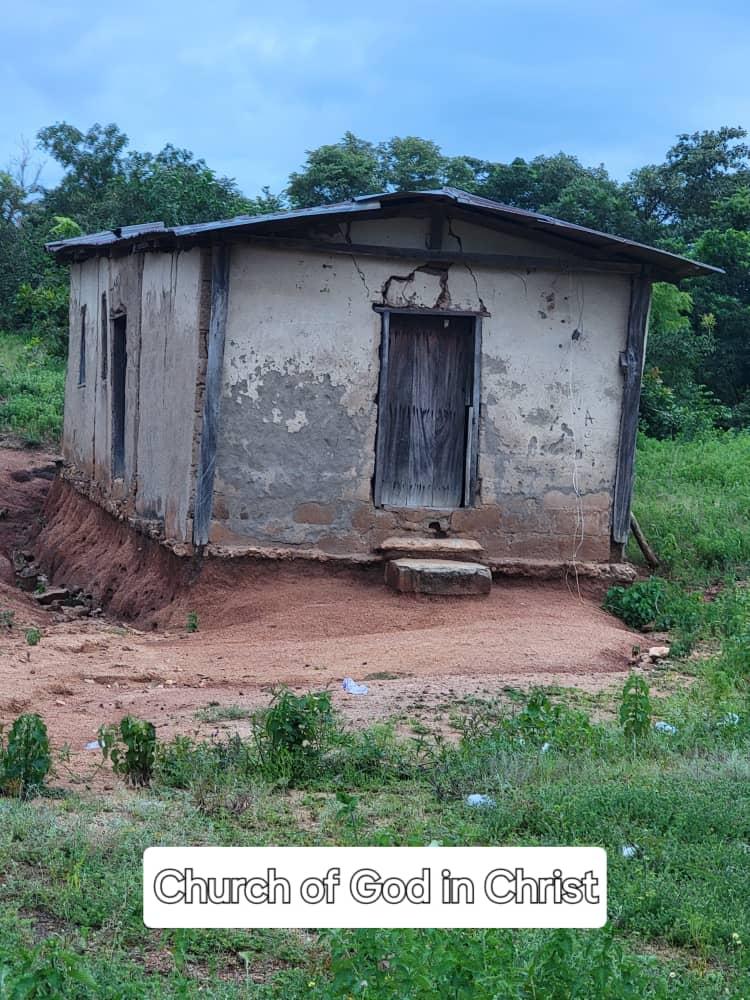
Church of God in Christ building in Takete-Ide
8
Church of God in Christ (COGIC)Community Tradition

Church of God in Christ, Takete-Ide

Church of God in Christ, Takete-Ide — building of mud and timber construction.

An established place of Christian worship in Takete-Ide, featuring a historic building structure of mud and timber construction.

Seed of Christ Golden Church (Sebioba)

9
Seed of Christ Golden ChurchCommunity Tradition

Seed of Christ Golden Church (Sebioba), Takete-Ide

Christian congregation serving the Takete-Ide community.

Second Apostolic Church

10
The Apostolic Church NigeriaCommunity Tradition

Second Apostolic Church, Takete-Ide

An established Christian congregation serving the Takete-Ide community, distinct from The Apostolic Church assembly.

Healing Church

11
Healing ChurchCommunity Tradition

Healing Church, Takete-Ide

A Christian place of worship serving the Takete-Ide community.

Deeper Life Bible Church

12
Deeper Christian Life MinistryCommunity Tradition

Deeper Life Bible Church, Takete-Ide

A Christian congregation in Takete-Ide.

Christ Bible Baptist Church

13
BaptistCommunity Tradition

Christ Bible Baptist Church, Takete-Ide

A Baptist congregation serving the Takete-Ide community.

Chronological Archive

Religious Heritage Timeline

A chronological overview of indigenous traditions, regional missionary developments in Yagba, and the arrival and development of churches in Takete-Ide.

Before ChristianityCommunity Tradition

Indigenous Religious Heritage & Beliefs

Takete-Ide maintained an established indigenous religious worldview centred on belief in a Supreme Being (Orisa Oke, Olu Orun, Obarisa). Community spiritual life included prayer, libation, sacrifice, divination and consultation with spiritual intermediaries. Major traditional groupings included Agado and Oliwo, celebrated in annual festivals and masquerade traditions including Akorowo, Ate, Origi, Apa Rege Rege, Otutumoba, and veneration of Otegun, Orisa, and Alase.

Source: Preserved in the supplied community historical manuscript and living oral traditions.

1905Regional Context (Yagba)Documentary Evidence

E. P. Lang Reaches Ogga (Regional SIM Expansion)

Mr. E. P. Lang, joining the Patigi SIM group, treks to Ogga in Yagba West, marking the initial recorded entry of the Sudan Interior Mission into the wider Yagba region, where he encountered local readers of the Yoruba Bible.

Source: Historical regional missionary record.

1908Regional Context (Yagba)Documentary Evidence

Tommie Titcombe Arrives at Egbe (Regional Base)

Rev. Tommie (Thomas) Titcombe arrives in Yagba and establishes a major SIM mission base at Egbe, mastering the Yagba dialect and combining evangelism with medical and community welfare work.

Source: Historical regional missionary record.

1909Regional Context (Yagba)Documentary Evidence

First Yagba Sermon & Early Baptisms at Ogga

In May 1909, Titcombe preaches in the Yagba dialect inside Egbe market. On 31 October 1909, ten men and three women are baptised in Ogga — the first recorded SIM baptismal service in Yagbaland.

Source: Historical regional missionary record.

1912Regional Context (Yagba)Documentary Evidence

Major Baptism Service at Egbe

Following the arrival of Rev. W. Playfair in 1911, Egbe witnesses a large baptism of 119 converts (83 men and 36 women), consolidating Christian missionary presence across the Yagba area.

Source: Historical regional missionary record.

1915Regional Context (Yagba)Documentary Evidence

First Egbe Annual Conference

The first Egbe Annual Conference is convened, during which another 100 believers receive water immersion baptism, demonstrating the widening regional reach of the mission.

Source: Historical regional missionary record.

1919Community Tradition

SIM Christianity Introduced in Takete-Ide

SIM Christianity was introduced to Takete-Ide around 1919, establishing the early Christian fellowship in the community.

Source: Preserved community historical tradition.

1922Documentary Evidence

Rev. Titcombe Visits Takete-Ide; SIM Congregation Active

Rev. Tommie Titcombe visits Takete-Ide during preparations for an early baptism. Preserved historical records confirm that an SIM Christian congregation was already actively worshipping in the community at this time.

Source: Documented in the preserved First Baptist Church historical account.

November 1922Documentary Evidence

First Baptist Church, Takete-Ide Established

Six founding leaders (Pa Joash Agunbiade, Pa Luke Olorunleke, Pa Paul Amora, Pa Saul Akedi, Pa Noah Omoyele and Pa Alfred Eseyin), with the support of their wives, establish First Baptist Church in Takete-Ide following doctrine-related baptismal disagreements within the SIM congregation.

Source: Preserved church historical account and community archive.

Later DecadesCommunity Tradition

Denominational Growth & Contemporary Places of Worship

In subsequent decades, additional Christian denominations establish congregations in Takete-Ide — including The Apostolic Church, Christ Apostolic Church (CAC), Cherubim and Seraphim Church, Second ECWA Church, Redeemed Christian Church of God (RCCG), Church of God in Christ, Seed of Christ Golden Church (Sebioba), Second Apostolic Church, Healing Church, Deeper Life Bible Church, and Christ Bible Baptist Church.

Source: Preserved community historical records.

Photographic Archive

Places of Worship Gallery

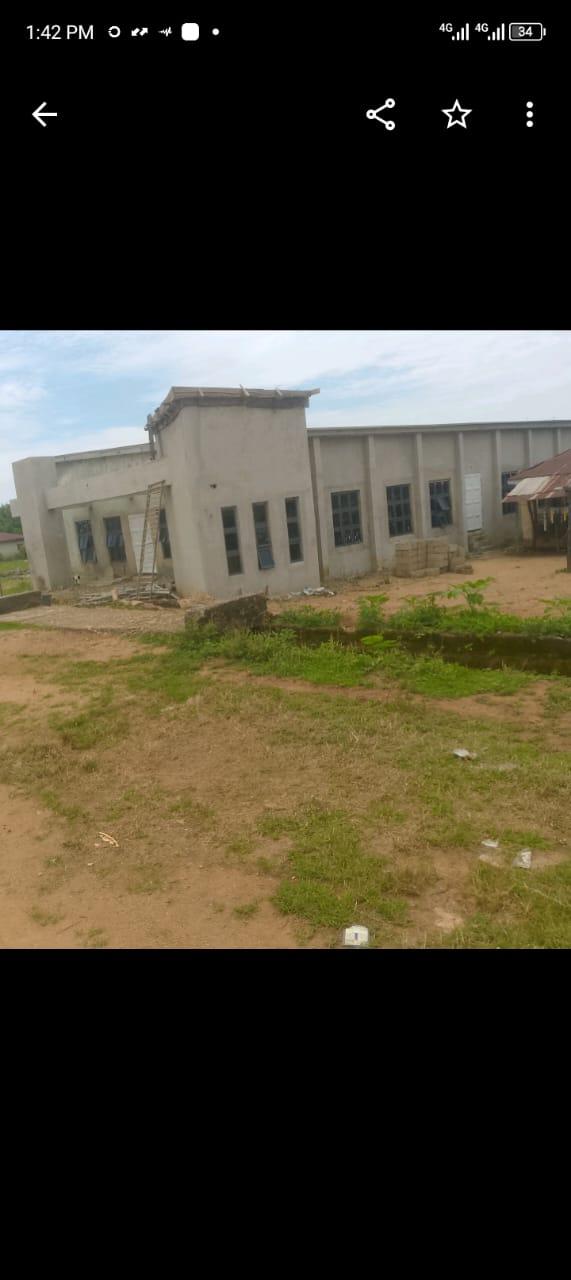
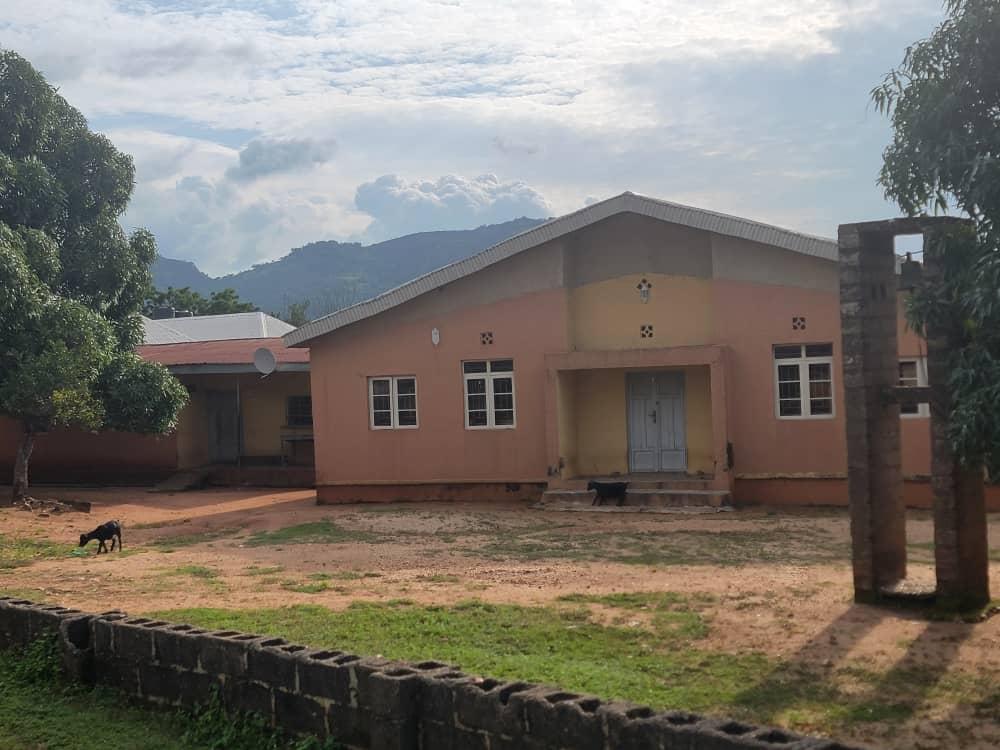
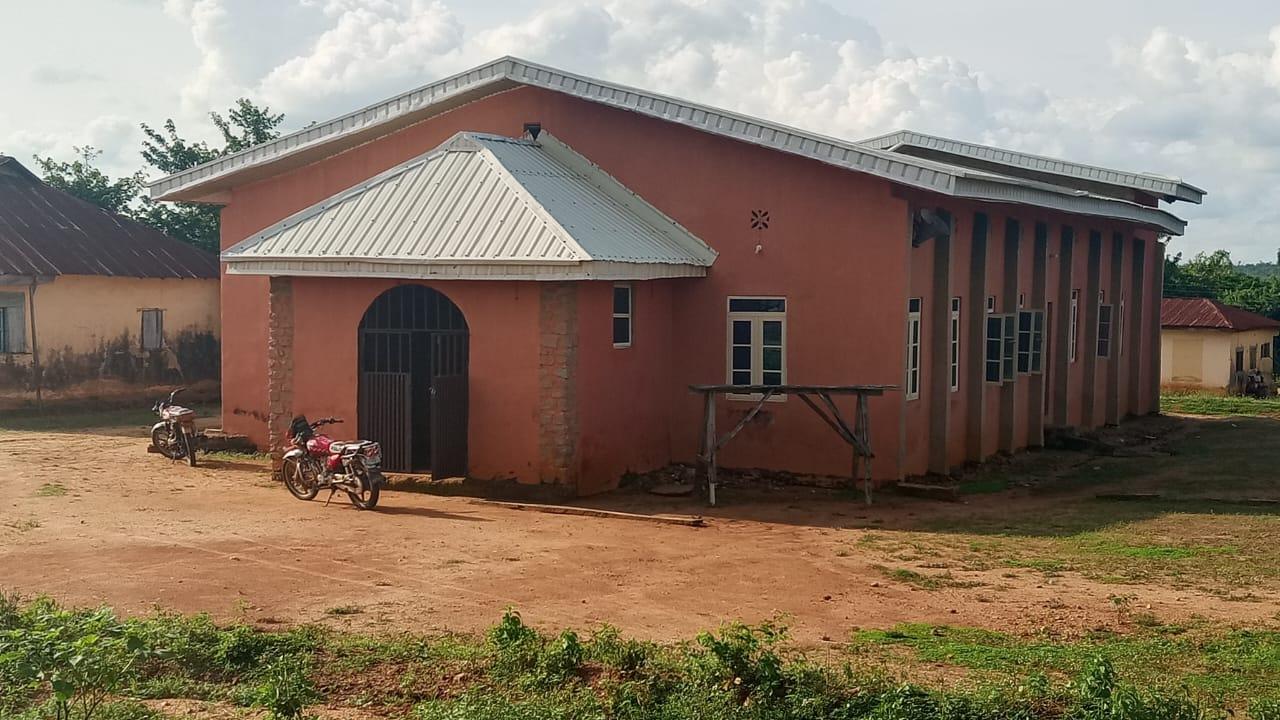
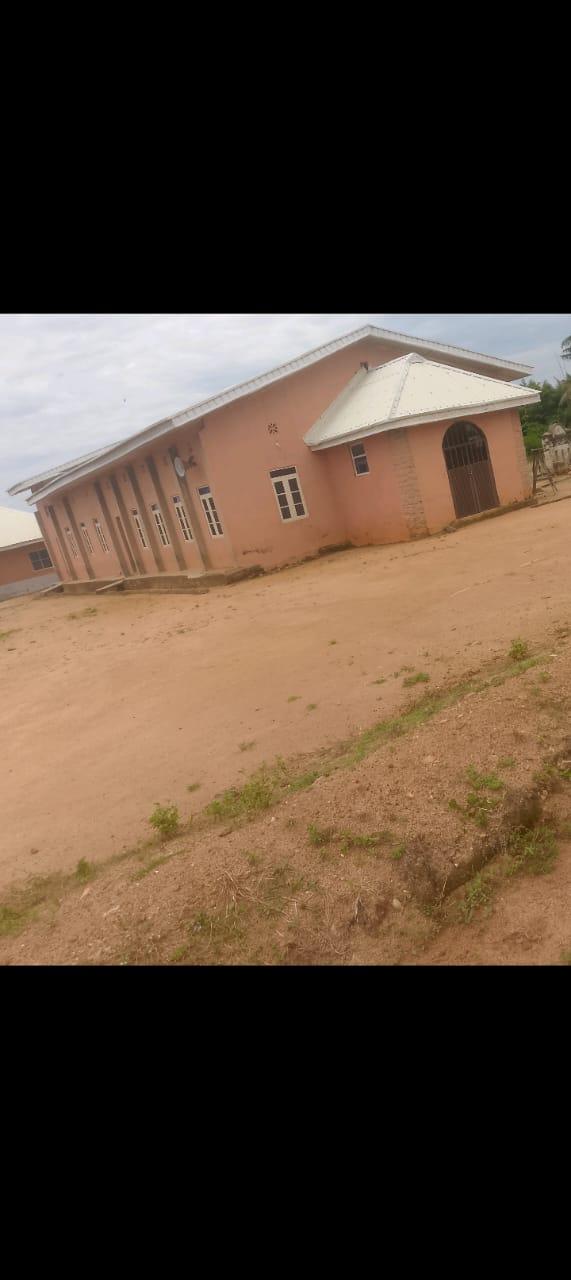
Explore authentic community photographs documenting places of worship across Takete-Ide — from historic mud-and-timber structures to present-day church sanctuaries.